Prague is worth visiting when you enjoy historic streets, architecture and cultural visits that can be combined on foot and by public transport. It is less convincing when you want a quiet resort-style break or expect every famous sight to be inexpensive and uncrowded. The best trip uses the historic centre as a starting point, not as the whole definition of the city. [1] [2]
Its strongest quality is the relationship between places
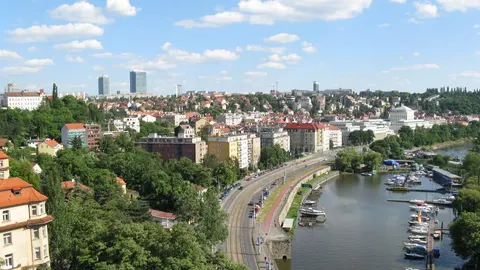
Prague's appeal is not confined to one palace or one photograph. UNESCO's description of the historic centre emphasizes the Old Town, Lesser Town and New Town as an architectural and cultural ensemble. The river, castle and streets below it are most rewarding when experienced in relation to one another. [1]
That makes the city a strong choice for travelers who enjoy walking with a loose purpose. You can make a paid interior the focus of a morning while allowing the approach and return to form part of the experience. Someone who wants every hour to be a distinct ticketed attraction may not gain as much from the spaces between them.
The setting also suits a short visit. Two well-chosen days can provide a coherent introduction without requiring a car. More time allows you to slow down, attend a performance or explore a different district rather than merely adding more entries to a list.
The qualification is physical effort. Historic streets, slopes and individual building layouts are not automatically easy for every traveler. Use transport to reduce the distance and investigate specific accessibility needs before deciding that a compact-looking map means an effortless visit. Prague City Tourism provides transport and accessibility-related planning information. [2]
Culture adds value when you choose it deliberately
The Jewish Museum is an example of a visit that can change the depth of a trip. It is a group of historical sites and exhibitions rather than a single room to pass through. Its current adult ticket is CZK 600, and the opening calendar excludes Saturdays and Jewish holidays. Choose it because the subject matters to you and give it enough attention. [3] [4]
The Museum of Decorative Arts offers a different kind of interest, focusing on objects and design rather than the same historical narrative. Its tariff distinguishes a permanent-exhibition ticket from the full main-building admission. That choice allows a visitor to match the purchase to the collection they intend to see. [5]
A concert can be another strong reason to visit, but the performers and programme matter more than a famous room alone. A building tour, an orchestral performance and a short visitor-oriented concert are different experiences. Reading the programme is more useful than assuming that any ticket labelled "classical Prague" represents the same artistic proposition.
For travelers whose interests stop at exterior views, there is no need to manufacture a museum-heavy itinerary. The city can still work well. Just recognize that the trip you are choosing is a walking and urban-setting experience, not a comprehensive cultural survey.
Popular places require a realistic attitude to space
Do not choose Prague on the promise that its most recognizable streets will feel private. A route joining the Old Town, Charles Bridge and the castle follows major visitor landmarks. My practical recommendation is to avoid scheduling the entire stay along that single corridor and expecting a varied impression.
Use a different neighbourhood for a meal, leave room for a smaller collection or spend time in a park when the weather suits. The aim is not to discover a supposedly secret attraction that nobody else knows. It is to vary the pace and purpose of the day so that one crowded stretch does not determine your judgment of the whole city.
A river cruise is optional rather than essential. The short evening sightseeing product offered by Prague Boats is 50 minutes, while a dinner cruise takes three hours. The former can be a compact change of perspective; the latter should be chosen as a major evening commitment. [6]
A shore-based walk may suit a traveler who values flexibility more than sitting on a boat. Likewise, one tower view may be enough for someone who does not want to spend the weekend repeating a similar kind of experience from slightly different positions.
"Good value" is not the same as "everything is cheap"
Prague's public transport can be economical: a standard adult 24-hour ticket costs CZK 140 in the app or CZK 150 on paper at the current tariff. That is a useful planning anchor, but it does not establish a universal daily budget. Accommodation dates, restaurant choices and paid attractions determine much of the final cost. [7]
Add the accommodation fee correctly. It is CZK 50 per liable person per night, and a quote may include it or leave it to be paid locally. Compare full-stay totals rather than treating a slightly lower nightly headline as automatically cheaper. [8]
Use Czech koruna when comparing prices, and read any currency conversion offered during payment. National tourism and central-bank guidance explain the difference between the local price and the exchange transaction. A destination's reputation for value will not protect a traveler who accepts poor terms without looking at the final amount. [9]
The most useful budget decision is prioritization. Choose two or three purchases that would genuinely improve the visit, then leave the rest optional. Paying for an experience you do not particularly want is not good value merely because it costs less than a similar product in another capital.
Season and trip length change the answer
Winter can suit a cultural city break, but some outdoor attractions change substantially. Prague Castle's published schedule closes the Royal Garden, South Gardens and Stag Moat from November through February. Its historic interiors also have a shorter winter day than the wider complex. A winter itinerary should be built for those conditions, not copied from a summer map. [10]
Warmer-season visits provide more flexibility outdoors, while specific festivals or performances can determine the most appealing dates for an individual traveler. There is no single best month independent of your interests. A music-focused trip and a garden-focused trip may reasonably choose different weeks.
For a first visit, two or three full days are a sensible editorial starting point. Add time when you want substantial museum visits or a day trip. Do not spend half of a two-day stay traveling elsewhere and then conclude that Prague itself felt rushed or superficial.
Prague is a particularly good match for someone who likes architecture, history and an evening cultural choice within one city break. It is a weaker match for a traveler seeking seclusion, effortless flat walking everywhere or guaranteed low prices. Choose it for what it actually offers, and a selective itinerary can make the visit rewarding without trying to complete the entire city.
Sources
- UNESCO: Historic Centre of Prague
- Prague City Tourism: getting around
- Jewish Museum: admission and sites
- Jewish Museum: opening calendar
- Museum of Decorative Arts: ticket choices
- Prague Boats: sightseeing and restaurant cruises
- PID: fares
- City of Prague: accommodation fee
- VisitCzechia: currency and payments
- Prague Castle: seasonal opening