Prague's Museum of Decorative Arts is worth visiting when you are interested in how objects, materials and design shape everyday life, rather than looking only for famous paintings. Choose the permanent-exhibition ticket for a focused visit or the full main-building ticket when the temporary programme also appeals. The difference is currently CZK 100 for a standard adult, so the exhibition choice matters. [1] [2]
Know which museum and which building you are choosing
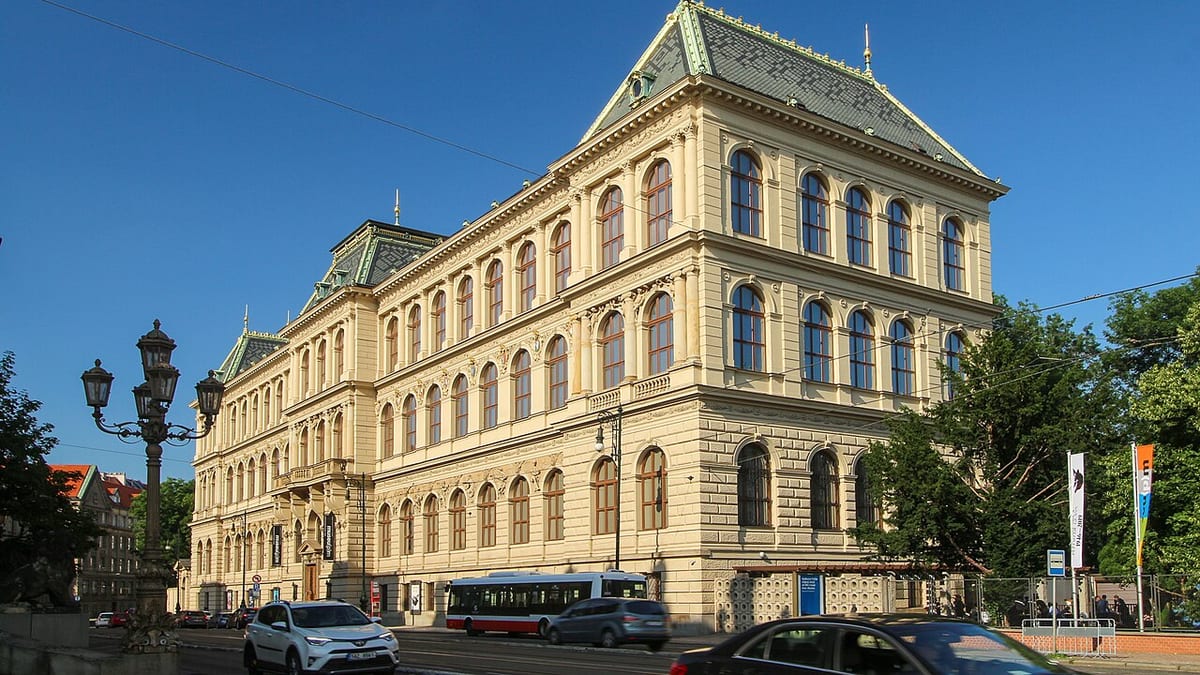
The Museum of Decorative Arts, commonly abbreviated UPM, is not the National Gallery and is not a single display of Czech souvenirs. Its main permanent exhibition, Art, Life. Art for Life, explores applied art through the uses and meanings of objects. The museum's own guide emphasizes their place in human life rather than presenting decoration as something separate from function. [2]
That makes the visit appealing to someone interested in furniture, glass, textiles, clothing, books or the way a crafted object communicates status and taste. You do not need specialist training to engage with those questions. Begin with an object you would recognize from ordinary life and ask what its material, form and decoration were intended to do.
The institution also operates other venues. A search result for the House at the Black Madonna or Josef Sudek Gallery does not necessarily refer to the same building, opening hours or collection. Use the main-building address from the museum's directions when that is the visit you intend to make. [3]
This distinction is useful for a short stay. A traveler primarily interested in Czech Cubism may want a different UPM venue from someone seeking the main applied-arts collection. Choosing by subject first prevents the disappointment of arriving at the correct institution but the wrong branch.
The two main ticket choices serve different visits
The current tariff gives CZK 250 for the permanent exhibition and CZK 350 for the full main-building ticket, with separate concession rates. The full main-building ticket also lists admission to Josef Sudek Gallery. Read the exact ticket description rather than assuming the lowest price covers every exhibition. [1]
For one adult, upgrading from the permanent exhibition to the full main-building offer adds CZK 100. For two adults, the difference is CZK 200. These are calculated comparisons based on the published tariff, not a judgment that the more expensive option is automatically better.
Choose the narrower ticket when the permanent collection is the clear reason for visiting and the rest of the day has limited time. Choose the broader ticket when a temporary exhibition genuinely adds something you want to see. The useful question is not "How much more can I enter?" but "What will I actually have the attention to enjoy?"
An included second venue should not be valued as though you will certainly use it. Check its location and opening day against the rest of the trip. A free extra that requires an inconvenient cross-city journey may contribute little to the decision, while a nearby visit already on your route can be genuinely useful.
Do not buy two overlapping products before understanding their coverage. Ask at the ticket desk when the wording is unclear, particularly if a concession, membership or visitor pass is involved. The total should reflect the actual exhibitions and eligibility, not a sequence of assumptions.
Look for connections rather than trying to inspect every object
A rewarding approach is to choose a material or use as your thread through the displays. You might compare how glass moves between practical vessels and expressive objects, or how clothing communicates identity as well as providing a function. The museum's permanent-exhibition concept supports this way of looking across periods and object types. [2]
Spend longer with a few pieces that prompt questions. Who would have used them? Were they intended to be handled, displayed or worn? What would the material have communicated to their original audience? These questions turn a case of attractive objects into a more memorable visit without requiring you to read every label.
For someone who has already spent a morning looking at Prague's façades, the museum can add an interior and material perspective. The connection is not that every object comes from the building you just visited, but that design choices operate at different scales, from a room or piece of clothing to an everyday container.
A specialist may reasonably want much longer than a casual visitor. A family may do better with a shorter selection built around a few recognizable objects. My recommendation is to decide on an initial focus, then expand only if interest remains strong. Completing every gallery is not a requirement for getting value from the ticket.
Tuesday evening can be more useful than squeezing it into Sunday
The main building normally opens Tuesday 10:00–20:00 and Wednesday–Sunday 10:00–18:00, with Monday closed. The extended Tuesday gives an additional planning option when daytime hours are reserved for outdoor sightseeing or a day trip. Holiday schedules can differ. [4]
A Tuesday evening visit does not have to mean arriving at the final possible moment. Use the later closing to create an unhurried afternoon and early evening, not to reduce the museum to a hurried final half-hour. Match the start to the ticket type and the amount of content you intend to see.
For a weekend trip, compare this visit with the Jewish Museum or another major collection before buying both. Nearby institutions can still demand very different kinds of attention. After several hours of historical interpretation elsewhere, a shorter decorative-arts visit may work better than a comprehensive circuit.
The museum's published holiday information should override the normal weekday pattern. A date falling on a familiar opening day is not proof of ordinary access around Christmas or New Year. Use the institution's specific notice rather than a generic city attractions list. [4]
Accessibility and the surrounding day
The main building is listed as accessible, with a lift and an accessible toilet requiring a Eurokey. The museum also says a wheelchair can be borrowed on request. Those are concrete facilities worth confirming for your visit, especially when a particular equipment arrangement is important. [5]
Other UPM venues have different access. The museum identifies Josef Sudek Gallery as lacking an accessible entrance, so its inclusion in a ticket does not make it equally usable for every visitor. This is another reason to evaluate the main-building purchase on its own merits. [5]
Use the museum's directions for the final approach, then keep the rest of the day geographically sensible. A short riverfront walk or a meal can provide a change of pace after the galleries. Avoid adding another museum automatically simply because its address is nearby.
UPM is most rewarding when you enjoy discovering how ordinary categories of objects can carry extraordinary skill and meaning. It is less suitable as a substitute for a painting museum chosen without checking the subject. Pick the collection and ticket deliberately, use the opening pattern to protect enough time, and let a few well-understood objects matter more than the number of rooms completed.